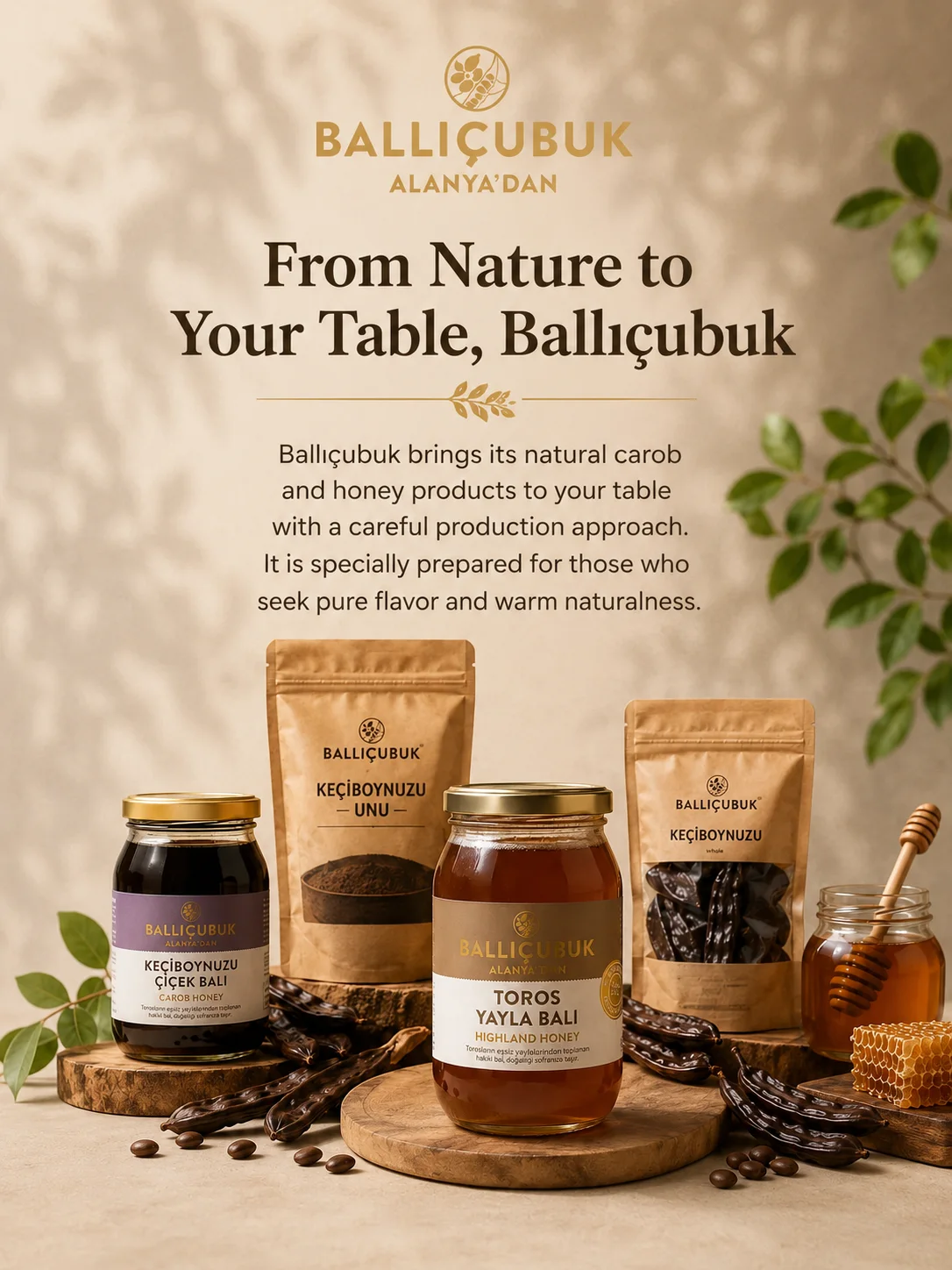
Welcome to BallıÇubuk natural products store!

My Cart0
Shopping Cart (0)
Your cart is empty.
Sub Total:0,00 ₺

Spend More 2.500,00 ₺ to reach Free Shipping

BallıÇubuk
BallıÇubuk
BallıÇubuk

Our Products

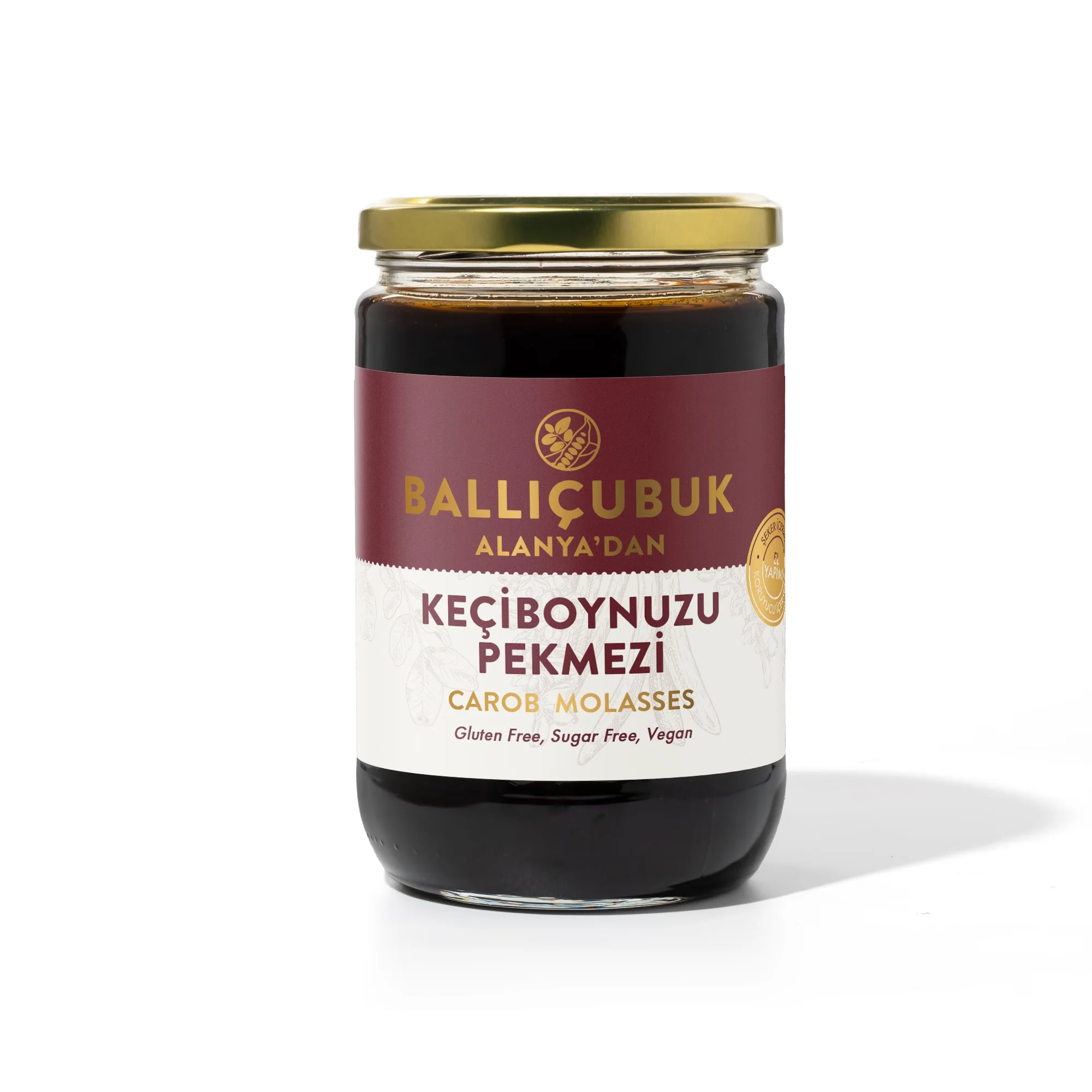
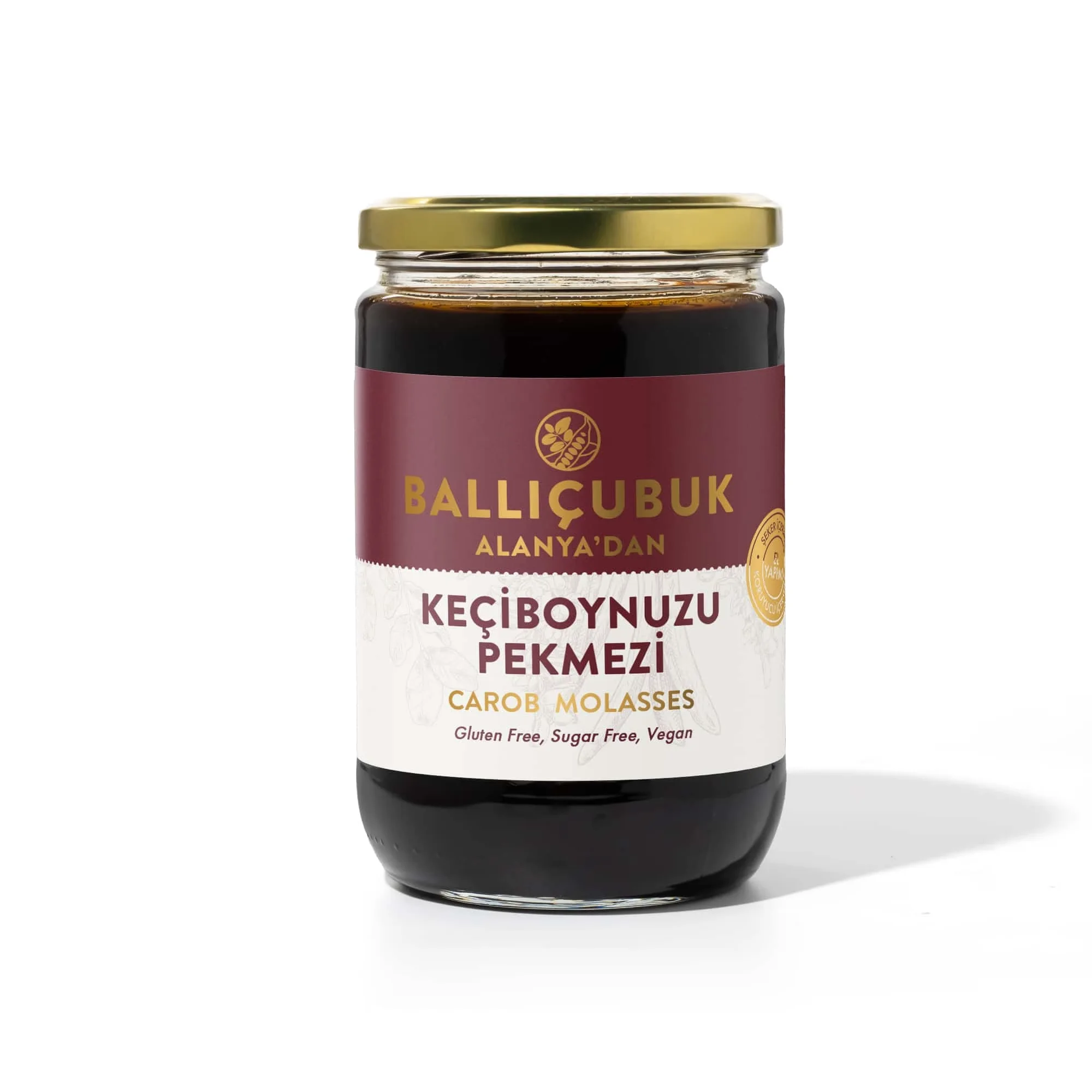
Carob Molasses 760 g

KBP-760
300,00 ₺

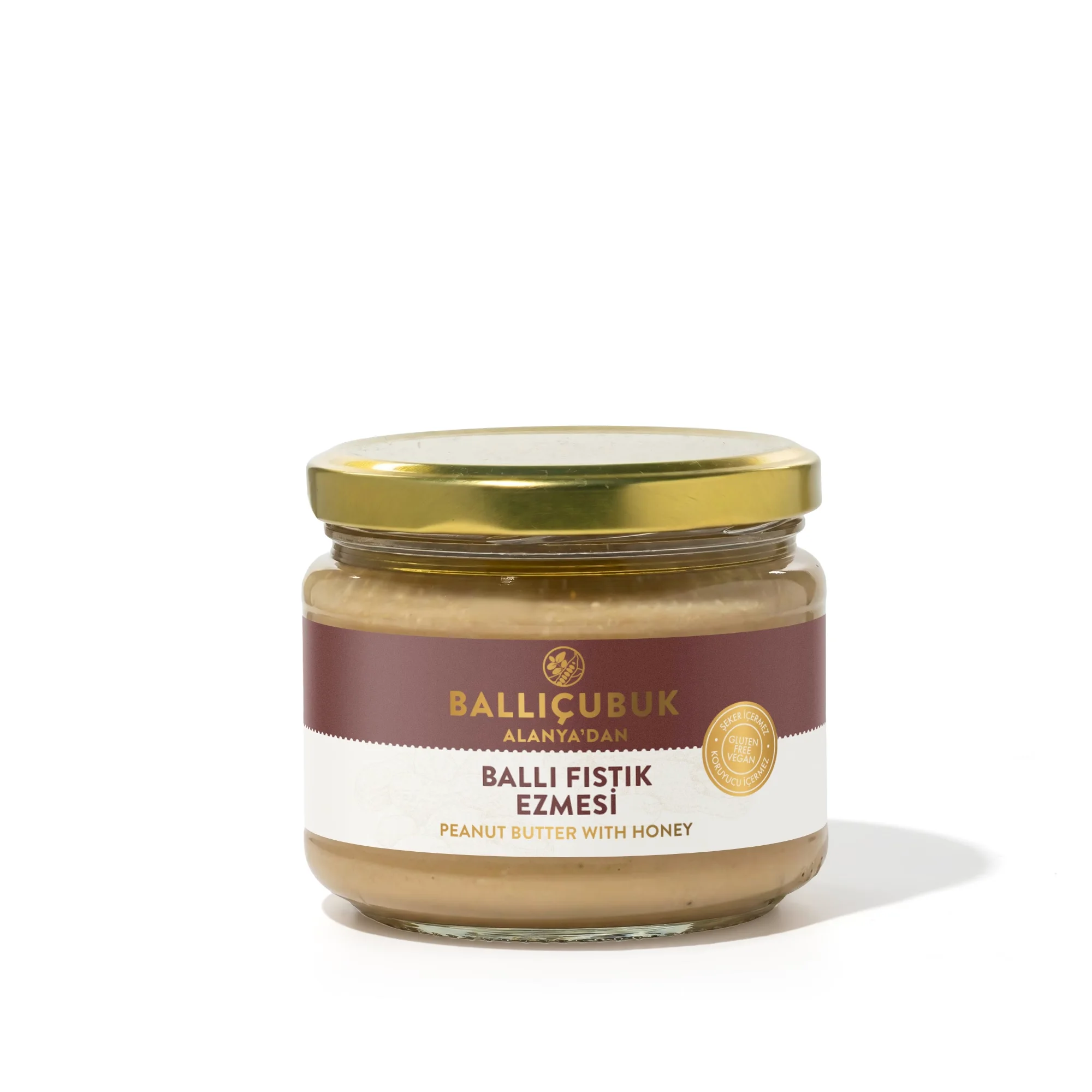
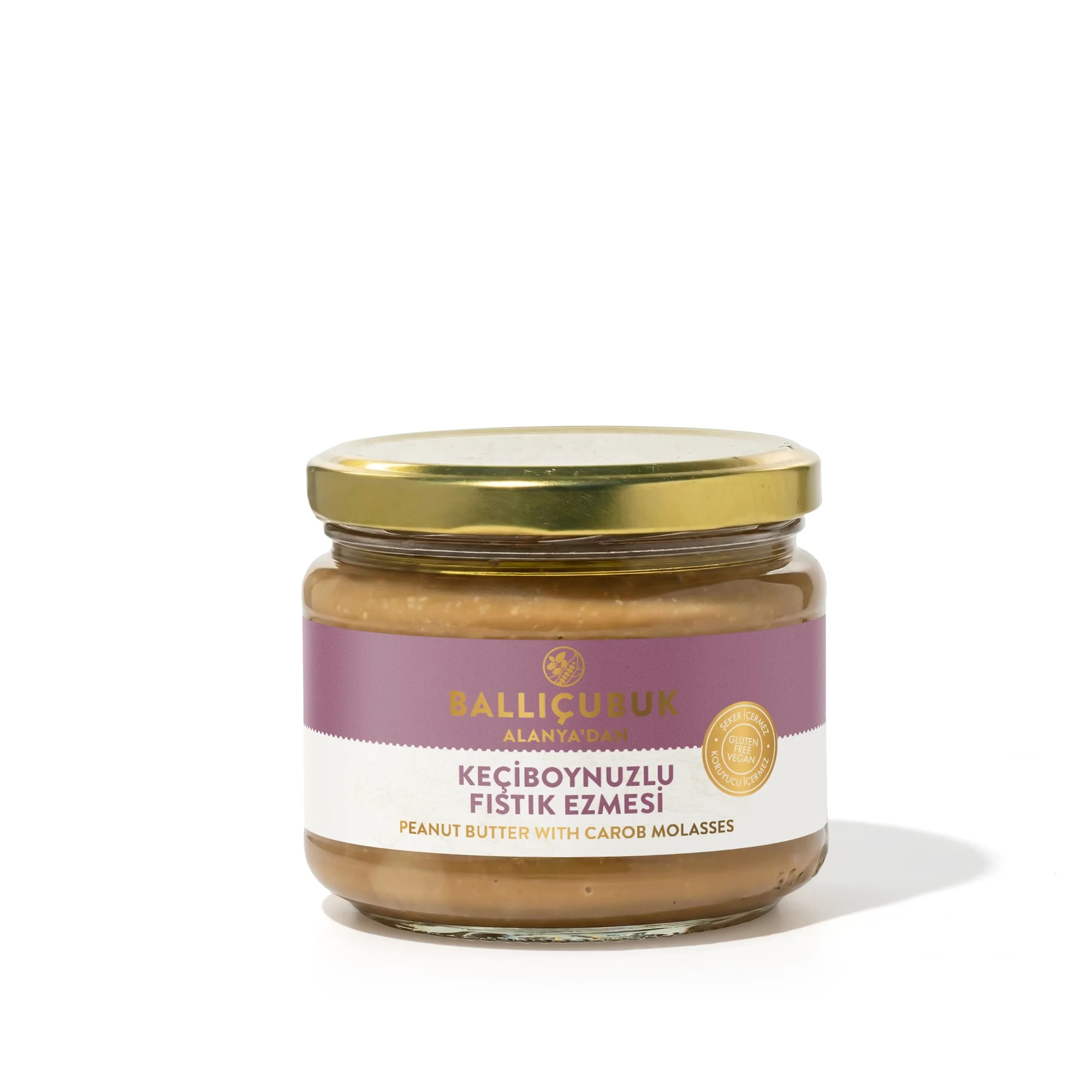
Plain Peanut Butter 300 g

SFE-300
120,00 ₺

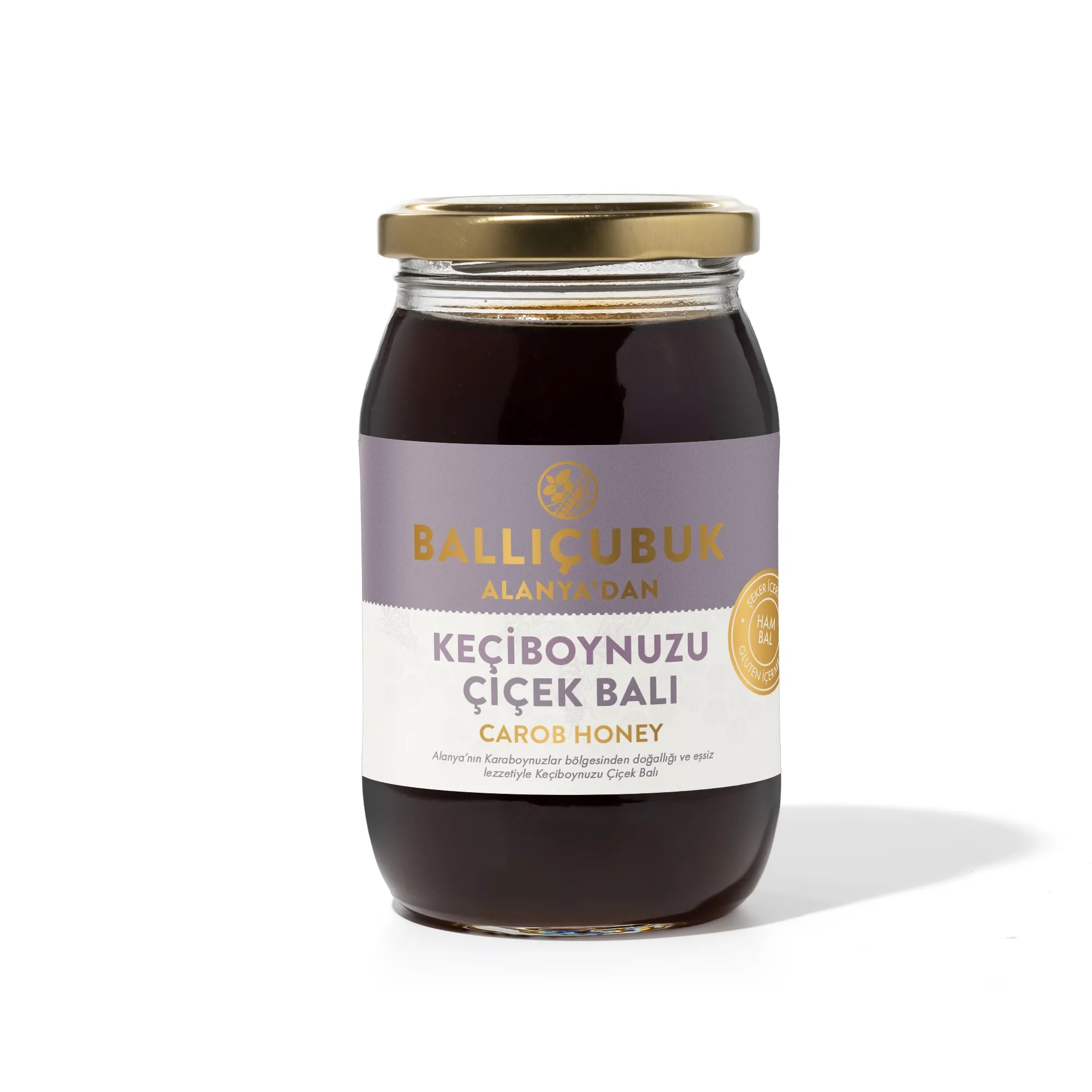
Carob Flower Honey 460 g

KBCB-460
595,00 ₺

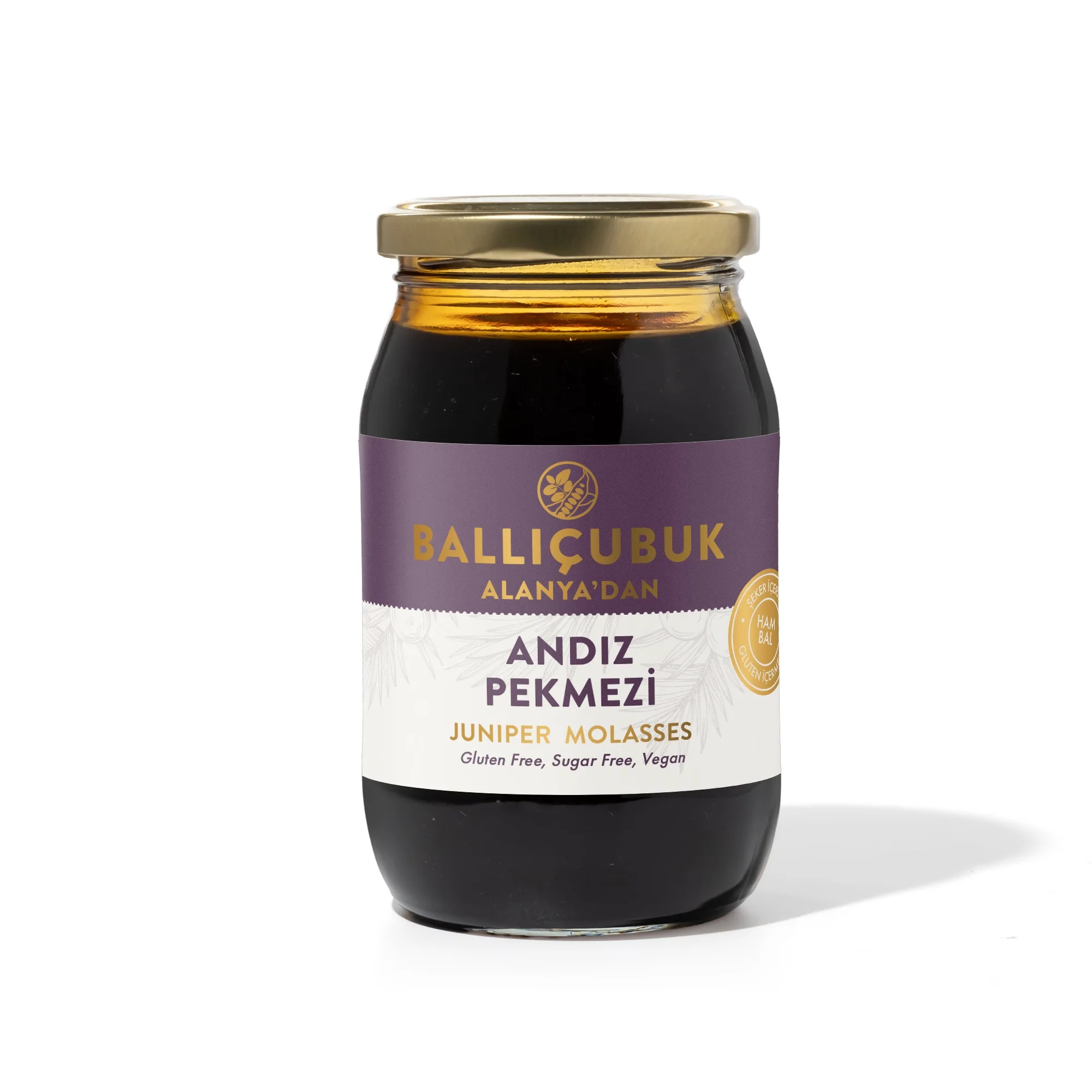
Juniper Molasses 430 g

AP-430
155,00 ₺
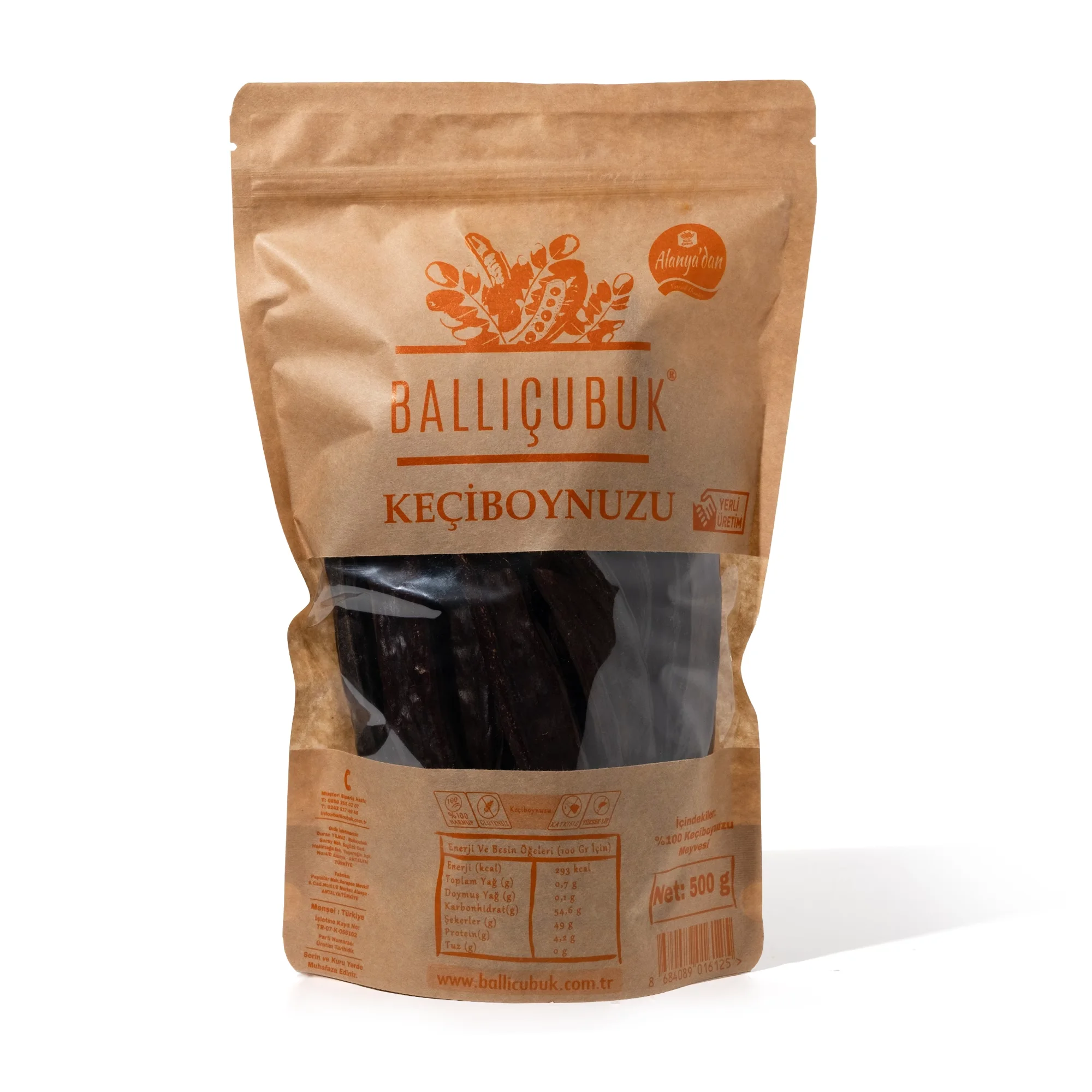
Carob Fruit 500 g

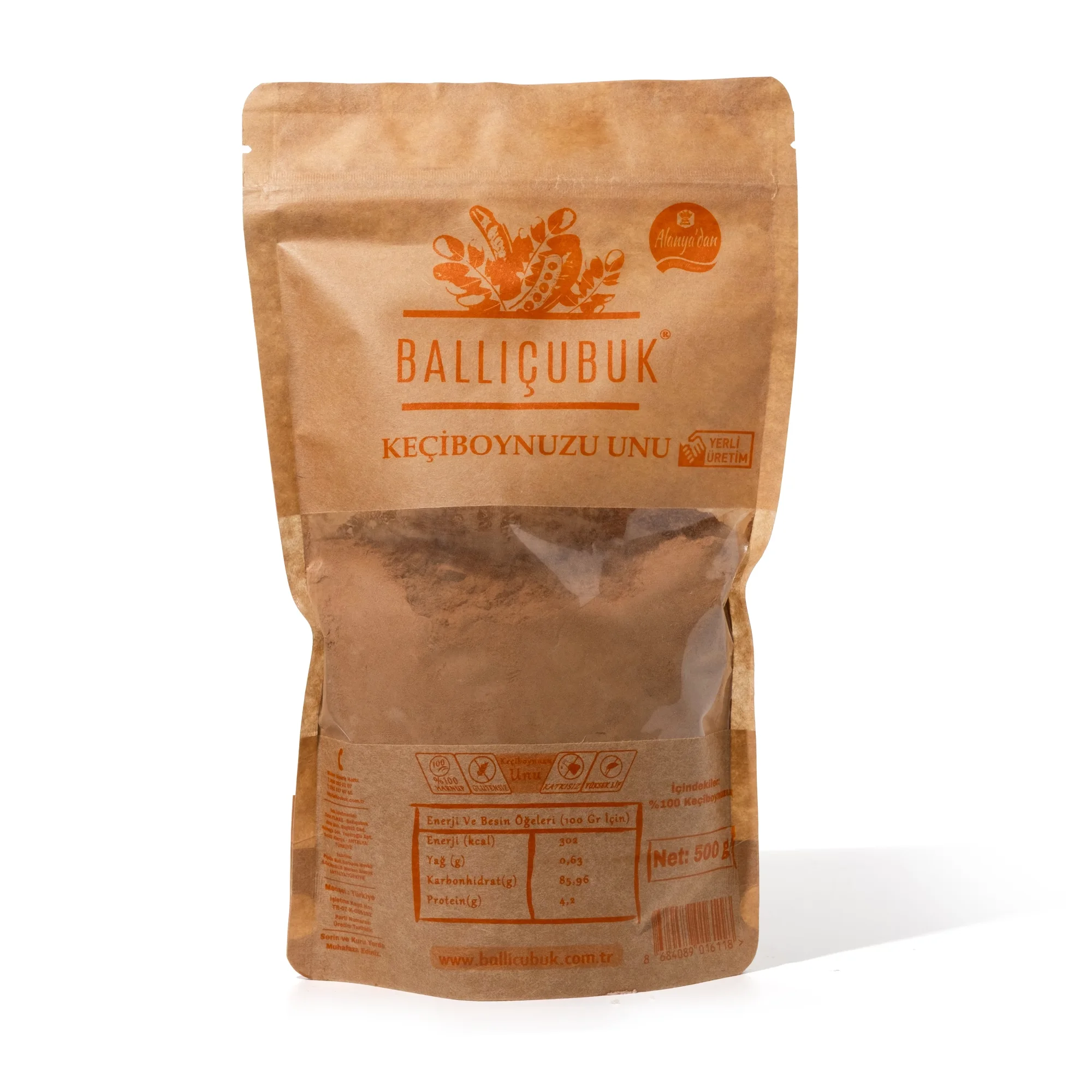
Carob Flour 500 g

KBU-500
120,00 ₺
Natural goodness from BallıÇubuk

Carob Products

Explore
Rich texture, natural taste

Carob Molasses

Explore
Natural energy for breakfast

Peanut Butter

Explore
From the Taurus Mountains

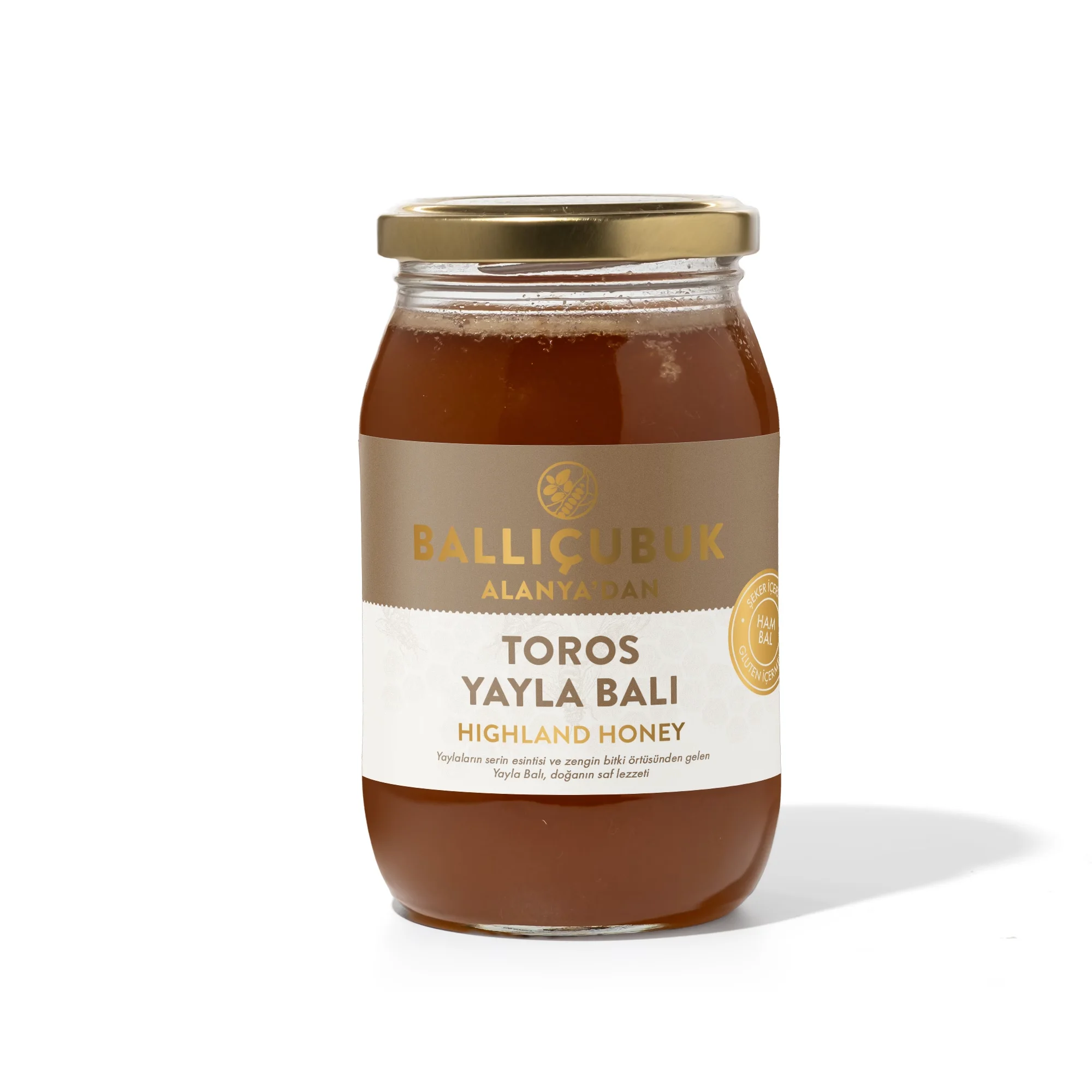
Taurus Highland Honey

Explore

Recently Added

Carob Molasses 760 g

Carob Molasses 760 g

300,00 ₺
Plain Peanut Butter 300 g

Plain Peanut Butter 300 g

120,00 ₺
Carob Flower Honey 460 g

Carob Flower Honey 460 g

595,00 ₺

Top Rated

Juniper Molasses 430 g

Juniper Molasses 430 g

155,00 ₺
Carob Flour 500 g

Carob Flour 500 g

120,00 ₺

Top Selling

Carob Molasses 460 Gr

Carob Molasses 460 Gr

169,00 ₺
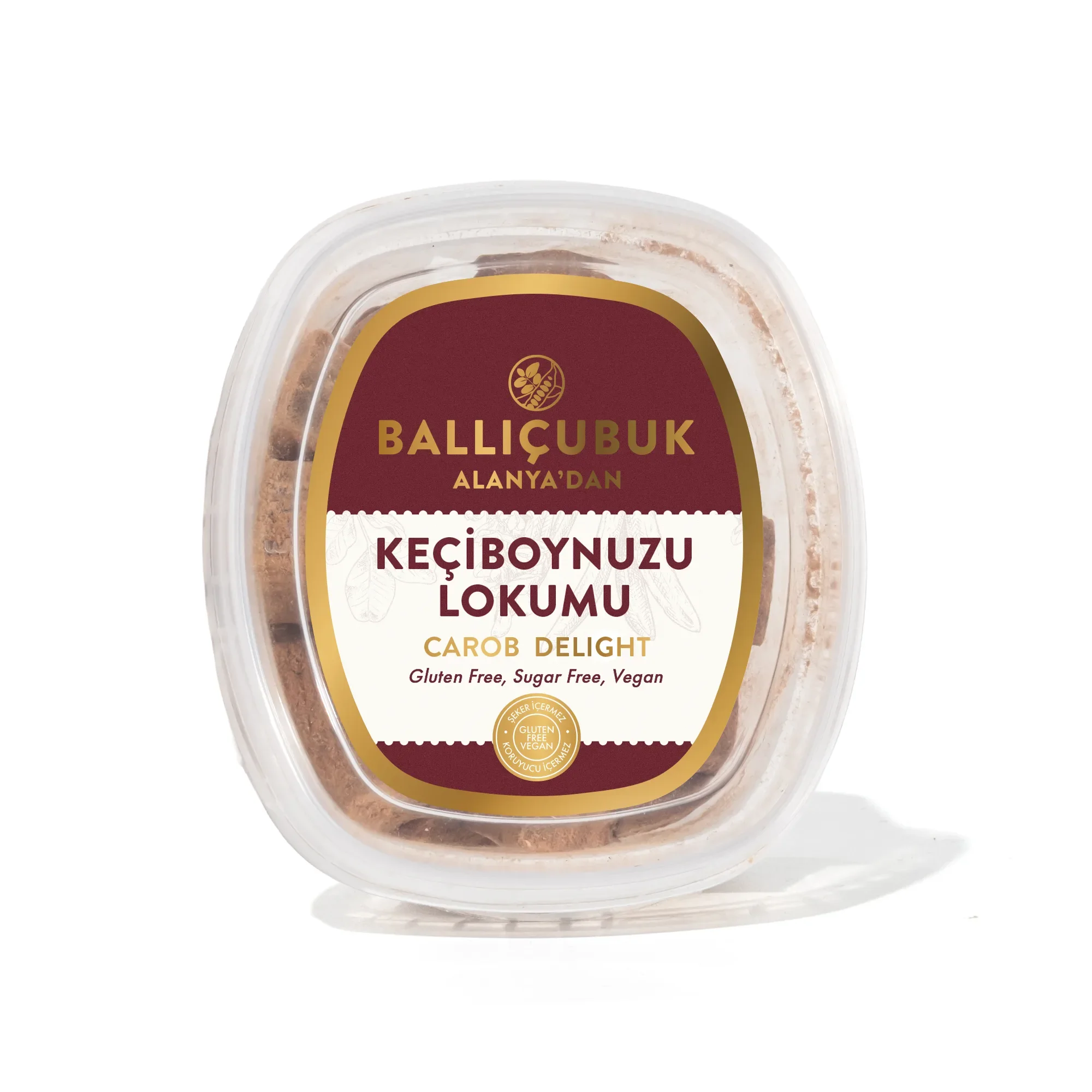
keciboynuzu-lokumu-200-gr

keciboynuzu-lokumu-200-gr

169,00 ₺
BallıÇubuk Selection

Discover Natural Flavors

Read Details

Producer and Supplier of Carob Products

We combine traditional production with modern quality standards and bring natural flavours safely to your table.

Doğal ve Katkısız

Katkı yükünü ve katkı maddesini içermez.

Geleneksel Üretim

Yöresel yöntemlerle özenle üretilir.

Yerel Üreticiden

Doğrudan üreticiden tedarik edilir.

From BallıÇubuk

Blog & Insights

All Posts
The Benefits of Carob: A Natural Supplement Our Elders Praised for a Long Time

The Benefits of Carob: A Natural Supplement Our Elders Praised for a Long Time

Carob is a product that has long been known in Anatolia for “giving strength” and is often kept on the table during the winter months. Its return to the spotlight today is no coincidence, because it offers a natural, practical, and versatile kind of support. Still, it should be said clearly: carob is not medicine. It becomes meaningful with the right product, the right amount, and a consistent lifestyle. 1) A natural source of energy Because carob contains natural sugars and carbohydrates, it can provide energy support, especially on busy days. For this reason, its molasses form is often preferred at breakfast or as a snack. 2) Rich in fiber, supports digestion Thanks to its fiber content, carob may help support regular bowel function. In traditional cooking, fiber-rich eating has always meant “regularity.” 3) May help increase the feeling of fullness With its fiber-rich structure and thick texture, mixtures prepared with carob—especially in molasses or flour form—may help you stay full longer. This can be useful for reducing the urge to snack. 4) Contains antioxidant compounds Carob contains antioxidant compounds such as polyphenols. Within an overall balanced diet, these may contribute to the body’s ability to cope with oxidative stress. 5) May offer mineral support Carob may support daily nutrition with its mineral content (which can vary depending on product quality and processing method). 6) Traditionally used to soothe the throat In Anatolia, carob molasses has traditionally been consumed—especially in winter—to help soothe the throat and “warm you up.” This is one of the practical habits passed down through generations. 7) With a cocoa-like aroma, it may help manage sweet cravings more naturally Carob flour, thanks to its intense aroma, may help curb sweet cravings in some recipes with “less sugar.” The goal is not to imitate cocoa, but to use carob with its own character. How is carob consumed? The most common forms are carob molasses, carob flour, and carob pieces. Molasses can be mixed with tahini; flour can be added in small amounts to yogurt, milk, or baked goods. Points to keep in mind Molasses is energy-dense, so portion control matters. People with sugar-related sensitivities, those who use regular medication, or those following a special nutrition plan should consult a professional about appropriate amounts. Carob is not “empty” as our elders praised it; it is valuable when used wisely. This natural support, with a place in traditional cooking, deserves to return to the table today as well—provided it is used in the right measure.

Read Details
Carob Molasses or Powder? Which Should Be Preferred and When?

Carob Molasses or Powder? Which Should Be Preferred and When?

Carob has been talked about again in recent years, but this isn’t a new craze; it always had a place in our kitchen. It simply fell out of favor for a while, and now it’s finding its value again. The real question is this: should you use carob as molasses, or as powder (flour)? Both come from the same fruit, but the results they give in the kitchen are completely different. I put it plainly: molasses means speed and practicality; powder means control and recipe command. Which one you choose depends on what you’re using it for. In this article, I’m putting both forms on the table with traditional kitchen sense. When molasses is the better choice, when powder takes the lead, which recipe gives a cleaner result with which form, what to watch for when shopping, and how to keep portions under control. No exaggeration, no polishing—just the core of the matter. First, the basics: What is carob, and why does it show up in two different forms? Carob (harnup) is the fruit of the carob tree grown in the Mediterranean climate. It has a hard shell, a naturally sweet pulp, and seeds. Its sweetness makes it usable as a natural sweetener in both traditional cooking and today’s recipes. From this come two main products: molasses and powder. Molasses is a thick syrup obtained by extracting the fruit with water and boiling it down. Powder is made by drying and grinding the fruit. Even though they come from the same source, one is built on a concentrated liquid extract, the other on a dry, fiber-rich structure. That difference changes kitchen results from the ground up. What kind of product is carob molasses? Carob molasses makes itself known through its texture. Good molasses is thick and glossy (but not artificially shiny), with a distinct aroma and no burnt smell. Traditionally, molasses is paired with tahini at breakfast; in winter, it’s also diluted with hot water and drunk. This is a habit that didn’t appear for nothing: molasses provides quick energy, is easy to consume, and stores well for a long time without spoiling. But let’s be clear about molasses: even if it’s natural, it carries high energy. Unmeasured use is not “support,” it’s excess. Our elders gave molasses with a spoon, not a ladle. If you lose this culture of measure, you don’t gain benefit—you take on a burden. What kind of product is carob powder (flour)? Carob powder is more for people who like working in the kitchen. Because powder goes into recipes: it mixes into batter, into yogurt, into drinks—meaning you control it. Compared to molasses, powder offers a drier, more fiber-rich structure. Its aroma is strong; thinking of it as cocoa is a mistake, but it does add a cocoa-like depth. It leaves a caramel-like, woody, full taste. The biggest advantage of powder is this: you can manage sweetness and texture at the same time. When you add molasses, you also add liquid; when you add powder, you add dry matter and aroma. That’s a major advantage in recipes like cakes, cookies, pancakes, and energy bars. Understanding the difference between molasses and powder at a glance Lens Carob molasses Carob powder Texture Thick liquid, syrup-like Dry, ground, fiber-rich Flavor Quick sweetness, distinct aroma More controlled sweetness, deep and full aroma Kitchen impact Adds liquid and sweetness Adds aroma and dry matter Where it’s strongest Breakfast, quick mixes, hot drinks Baked goods, yogurt mixes, sugar-reducing recipes Portion control Easy, but easy to overdo More measurable, requires recipe discipline When is molasses the better choice? Molasses takes the lead when you want speed and practicality. You’re rushing to work in the morning, breakfast is short, energy is low—tahini–molasses is the classic solution there. And it’s not a new invention; it’s a kitchen reflex built over years. Likewise, if you want quick energy before training, molasses is the more direct option, because the liquid form is easy to consume and can be used even without building a recipe. Diluting it in hot water on cold days is also traditional. The aim isn’t to make a sweet drink; it’s to create a habit that warms you up and softens the throat. Molasses is more suitable here. With powder, issues like clumping or a powdery mouthfeel can show up more easily. There’s also this: if you have children at home and want to manage sweet cravings more neatly, molasses can be a practical solution in small amounts. But measure is critical. Giving molasses without limits “as dessert” is not right. Small amount, right timing. When is powder the better choice? Powder takes the lead when you’re building recipes. You’re making cake, cookies, pancakes; you want to reduce sugar but keep the aroma strong. That’s where powder steps in. It gives batter a darker color and deeper aroma, and it doesn’t thin the recipe. When you add molasses, you must also adjust liquid ratios, and not everyone nails that balance every time. In yogurt mixes, powder is usually more controlled. Molasses can thin yogurt—especially if you’re not using strained yogurt—so the texture drops fast. Powder adds body. After a few minutes of resting, the texture settles and you get a fuller mix. Another area is homemade snacks: energy balls, bars, no-bake mixes. Powder works cleaner here because you choose the binder—dates, nut butter, honey. If you try to use molasses as the binder, the mix can become too sticky or the texture can be harder to control. Which is better at breakfast? For breakfast, I’ll be direct: molasses is more classic, more practical, and faster. The tahini pairing didn’t become a habit for nothing. If you have a breakfast routine with bread, tahini, walnuts, molasses sits comfortably there. Powder shines more in yogurt-based breakfasts. If you’re making a bowl with yogurt, oats, fruit, and nuts, powder tends to be more balanced. If you add molasses, sweetness spikes quickly and the “sugar feel” hits sooner. Powder moves more calmly, spreads aroma, and leaves a fuller taste. Which is better in baked goods? In baked goods, powder is ahead. In recipes like cakes, cookies, and pancakes, powder is the safer choice because it’s less likely to throw off the structure. If you use molasses, you must consider liquid balance. A common mistake is this: people add molasses, the batter gets too runny, they add more flour, then the result turns dense—and they blame carob. That’s not carob. That’s unmeasured cooking. With powder, you can keep the measure more clearly. Because the aroma is strong, you use a little; it changes the character of the recipe without flipping the structure upside down. That’s a serious advantage for anyone who wants consistency in the kitchen. Hot drinks and cold mixes: which one is easier? In hot drinks, molasses mixes more easily. It dilutes in hot water, milk, or plant-based milk with less clumping. Powder can also be used, but technique matters. If you throw powder straight into a hot liquid, clumps are likely. First you should loosen it with a small amount of warm liquid into a paste, then add it to the mix. Anyone who skips this detail ends up blaming powder unfairly. In cold mixes, powder is often more advantageous. In smoothies, yogurt bowls, protein-based mixes, powder works with more control. Molasses also works, but the liquid sugar impact is felt more sharply. Powder gives a more balanced, slower-opening taste. For someone who wants to reduce sugar, which is more suitable? If the goal is reducing sugar, powder is usually the better road. Because powder doesn’t spike sweetness all at once; it mainly adds aroma and depth. Sweet cravings can often be managed through aroma. If you amplify aroma, the need for sugar drops. That’s kitchen craft—palate training, not just nutrition. Molasses gives sweetness faster. Sometimes that’s an advantage, sometimes a disadvantage. It can stop a sweet craving quickly, but it’s also easy to overdo. Here, your self-control matters: if you can hold the measure, molasses is a good tool; if you can’t, powder forces more discipline. Timing for athletes: molasses or powder? For athletes, timing matters. If you want quick energy before training, molasses is more suitable because it’s easy and fast to consume. After training, the goal is recovery and building a balanced meal. If you’re making a yogurt-based bowl, powder sits better: it carries aroma and supports texture. Let me also say this: a common mistake among athletes is always consuming “one spoon more.” Neither molasses nor powder is innocent in unlimited amounts. The aim is support, not burden. Amount matters as much as timing. Children and family tables: which one offers safer use? At family tables, molasses is easier to accept because it is more traditional and familiar. For children, mixing a small amount with tahini or stirring it into yogurt can be practical. But I’m repeating the “small amount” point on purpose. Powder is more about feeding children through recipes. In pancakes, cakes, and cookies, powder works well to support aroma while reducing sugar. The child feels like they’re eating something sweet, but the sugar load stays more controlled. This isn’t “modern”—it’s actually old-school sense adapted to today. How to think about it for people with stomach sensitivity For people with stomach sensitivity, both forms can vary from person to person. Molasses is a dense, sweet syrup, so it can bother some. Powder, with its fiber-rich structure, may be better tolerated for some and worse for others. The best approach is this: start with a small amount, watch your body’s response, increase accordingly. Jumping in with a big portion and then complaining is a flawed method in both cooking and nutrition. Time of day also makes a difference. Consuming a large amount of molasses on an empty stomach can bother some people. Taking powder with yogurt or oats tends to go more gently. These details look small, but in practice they make a big difference. Quality matters: what to check when buying molasses, and what to check when buying powder? With molasses, the most important point is a clean taste. A burnt, sharp, dull smell is not a good sign. Products that feel overly sticky, overly shiny, or like sugar syrup also require caution. Reading the label is essential. If there are items like added sugar, glucose syrup, or thickeners, the product may be called molasses, but its “spirit” has changed. With powder, the key is freshness and grinding quality. Powder that is overly damp or clumpy may have been stored poorly. If it smells stale, the aroma is damaged. Its color is naturally deep brown; if it’s overly pale or overly black, production and raw material quality can be questioned. Working with a reliable producer is often the biggest difference-maker here. Storage conditions: which lasts longer, molasses or powder? Molasses, when stored correctly, is long-lasting. If kept in a cool, dark place with the lid closed cleanly, it won’t spoil easily. But simple mistakes—like dipping a wet spoon or letting water get into the jar—can ruin it. Hygiene is critical. Powder spoils faster with moisture. It should be stored in a cool, dry place in a tightly sealed container. Steamy areas in the kitchen, cabinets above the stove, leaving it open on the counter—these can make the powder stale quickly. Half of the people who “can’t get results” from powder fail because they store it wrong. The portion question: what balance should be set for daily use? I’ll be direct here. Whether it’s molasses or powder, if you lose measure, the job falls apart. With molasses, starting with one teaspoon is usually the smart move. With powder, also one teaspoon, or a smaller amount depending on recipe volume. I’m not forcing gram-by-gram math on anyone; the kitchen can run on “eye measure” too. But eye measure is the measure of experience—not random guesswork. Consuming molasses at every meal of the day is unnecessary for most people. Dumping powder into every recipe is also wrong. Carob is a supporting ingredient; if you treat it like the main ingredient, both flavor and balance break down. Which form fits which goal better? For quick and practical energy, molasses leads. For reducing sugar and increasing aroma, powder is the smarter choice. For baked goods and recipe control, powder is more stable. If you want a quick mix in drinks, molasses is easier; with the right technique, powder also works very well. At the family breakfast table, molasses is more traditional; for hidden, controlled use inside recipes, powder is more functional. My approach is this: keep both at home. Use molasses for everyday practical needs, and powder for recipe work. Loading everything onto one product and expecting it to do every job is not a smart method—neither in the kitchen nor in the market. Practical scenarios: examples that make daily decisions easier If breakfast is short and rushed, tahini–molasses fits. If you’re making a yogurt bowl, powder gives a more controlled result. If you’re baking cake or cookies, powder is safer. If you want a drink with warm milk, molasses is less hassle. If you’re making snack bars at home, powder is an advantage because it carries aroma without wrecking texture. All of these scenarios come down to one truth: use carob in the right place, and it shines; force it into the wrong place, and it dims. The product isn’t “bad”—the use becomes wrong. Common mistakes The most common mistake is consuming molasses without limits like sugar. The second mistake is using powder one-to-one in place of cocoa and expecting the same taste. Carob is not cocoa; it has its own character. The third mistake is storing powder incorrectly, losing aroma, and blaming the product. The fourth mistake is adding molasses, thinning the batter, adding more flour, then blaming carob when the result turns dense. Cut these mistakes out, and the product shows what it can do. Carob molasses and carob powder are two faces of the same fruit. One is practical, one is controlled. One is the backbone of a traditional breakfast, the other is the strong aroma of modern recipes. Asking “which is better?” on its own is the wrong question. The right question is: what am I trying to make, and which form solves it cleanly? My stance is clear: if you actually cook at home, use both. Use molasses in its place and with measure; use powder in balance and in the right recipe. That’s what our elders’ wisdom already said. We’re simply remembering it again.

Read Details
Carob for Children: From Appetite to Immunity - Questions Families Are Curious About

Carob for Children: From Appetite to Immunity - Questions Families Are Curious About

Carob is one of the old but reliable players in our kitchen. It was forgotten for a while, and now it’s being remembered again. Families quite rightly ask: Can it be given to a child, what does it do, does it increase appetite, does it support immunity, at what age do you start, is molasses better or is powder better? In this article, I’ll explain it without dressing it up—with traditional kitchen sense, while also respecting today’s parenting sensitivities. First, let’s draw this line clearly: carob is a food, not medicine. It does not build immunity on its own, and it does not “magically” open appetite. But if you use the right product, in the right amount, at the right time, you add a smart support to a child’s nutrition routine. If you give too much of the wrong product, what you started with good intentions can turn into an unnecessary sugar load, stomach–bowel discomfort, or a habit mistake. That’s the point. What is carob, and why is it coming up for children? Carob (harnup) is the fruit of the carob tree that grows in the Mediterranean climate. It looks like a hard pod, its flesh is naturally sweet, and it contains seeds. For centuries it has been made into molasses, dried, ground, and consumed in different ways. For families, its appeal comes from this: with its natural sweetness, it can help reduce the need for sugar in some recipes, it’s practical to use, and it generally matches children’s taste easily. Today, two forms stand out the most: carob molasses and carob powder (flour). Molasses is fast and practical. Powder is a more disciplined option for recipe control and measured use. Knowing which form makes more sense and when is half the job in child nutrition. A realistic target in child nutrition: what should you expect from carob? Some families see carob as an “appetite booster.” Others think of it as an “immunity strengthener.” I argue that both topics need realistic language. Carob is a food that contributes energy and flavor within a balanced diet. Thanks to its fiber content and some natural compounds, it may support digestive regularity. As part of regular and sufficient nutrition, it can contribute to an overall approach that supports a child’s general resilience. But expecting something like “the child won’t get sick” as a promise is the wrong expectation. Appetite is the same. If a child is a picky eater, first you evaluate meal routine, sitting at the table away from screens, cutting junk snacks, sleep routine, and basic deficiencies like iron. Carob does not produce miracles without that base. Once the routine is established, it can become a helpful assistant added on top. Carob molasses or carob powder? Which makes more sense for children? Carob molasses is the most practical. It’s mixed with tahini at breakfast, added to yogurt, sometimes diluted in warm milk. Because children like sweet taste, it’s easy for them to accept. But the biggest risk comes from the same place: molasses contains dense energy and natural sugars. If you lose control of the amount, a child develops an unnecessary sweet habit. That’s why molasses stays on the right track when used in small amounts and more on specific days or meals. Carob powder can be a more controlled option. Because powder goes into the recipe, boosts aroma, helps reduce the need for sugar, and makes portion management easier. For example, when making pancakes or cake, you can reduce sugar and strengthen aroma with the powder. In yogurt mixes, it doesn’t disrupt texture much. Molasses can thin yogurt; powder gives a more “full-bodied” result. My short and clear view: if there is a child at home and you want to manage sweets, powder is often the smarter tool for everyday use. Molasses, being more traditional and practical, finds its place when used a few times a week in measured amounts. The appetite question: does carob increase appetite? It would not be accurate to say carob directly “opens” appetite. But it can do this: it can increase the energy and flavor density of a child’s snack. Some children eat little and also have low energy. The goal here is not to force-feed the child, but to offer more nourishing content in a smaller portion. Carob molasses or powder, combined with yogurt, tahini, oats, or nut butters, can help you build a more filling snack. This can be a practical solution, especially for school-age or active children. Another point to watch with low-appetite children is this: trying to boost appetite with sweets can reduce appetite for main meals even more. If a child overdoes a molasses-based snack, they won’t sit down hungry for dinner. That’s why timing matters. Leaving enough gap between snack and main meal makes carob a “meal supporter,” not a “meal replacement.” The immunity question: does carob strengthen immunity? Immunity is not built with a single food. Sleep routine, sufficient protein, fruit and vegetable variety, parameters such as vitamin D and iron, hygiene habits, and stress management work as a whole. Carob can play a supportive role in that whole with its nutritional structure and some natural compounds. So the correct line is not “it protects on its own,” but “it contributes within regular nutrition.” This is also why traditional kitchens used carob more in winter. In winter, energy needs increase, appetite changes, throat sensitivities show up, and children get sick more often. Carob molasses is a product families trusted and brought to the table in that period. The same logic applies today—on the condition of measure and quality. Digestion and bowel regularity: why does fiber matter? Constipation is very common in children. When screen time increases, movement decreases, water intake drops, fruit and vegetables weaken, processed foods rise. Fiber plays a critical role here. Carob is one of the foods that can support digestive regularity with its fiber content. The powder form can be more meaningful in terms of fiber contribution. Molasses, being liquid, has a different profile and may have a more limited fiber contribution compared to powder. You should also know this: not every fiber has the same effect in every child. In some children, too much fiber can cause gas and bloating. That’s why, if it’s being tried for the first time, starting with a small amount and observing for a few days is the smart move. That is the traditional method: don’t load a food suddenly—progress by letting the palate and stomach adapt. At what age do you start, and how do you start? In topics like this, the safest approach is to prioritize the child’s own doctor’s guidance. Every child’s growth curve, allergy history, and diet are different. From general kitchen sense, carob powder can be given more controllably in small amounts with a carrier such as yogurt. Molasses should be used more carefully due to its sweet intensity. At very young ages, the main goal should be not to build a sweet habit. Children naturally want to label everything as sweet. If the family slides into “making the child eat” with sweet foods, it becomes harder to manage later. That’s why it’s better to introduce carob not as a reward but as a normal part of regular eating. If the palate normalizes it, the child learns to balance more naturally. How much should you give? How should measure and timing be set? Measure is the heart of this. Carob molasses, especially in younger children, should stay in small amounts because of its sweet intensity. Starting with one teaspoon and continuing on that same line depending on tolerance is a good starting point for many families. For powder, small amounts are also suitable; if it will go into yogurt or baked goods, spreading it across the recipe is more sensible. The basic timing rule is this: don’t place carob right before the main meal. As a snack, giving it at least 1.5–2 hours before the main meal gives cleaner results. If used at breakfast, don’t turn breakfast into “just molasses.” Let it be a part of breakfast, not the center. School-age children: how to use it for daily energy and focus? In school-age children, the biggest problem is that fast-consumed, high-sugar snacks become a habit. If carob is used correctly, it becomes a good alternative. For example, in a yogurt-based snack, carob powder lifts aroma and gives the child the feeling of “I ate something sweet,” while helping you reduce the refined sugar load. Molasses can also be used, but you should not put it in the same basket as boxed juice, cake, or chocolate. Molasses is a food, but it is still sweet and requires measure. For families who pack school snacks, a practical approach is this: if you make homemade pancakes or cake, you can reduce sugar and strengthen aroma with carob powder. This way, the child gets a more satisfying taste with less sugar. It’s both more economical and more controlled in the kitchen. Picky eaters: feeding with carob or adapting with carob? Two mistakes are common with picky eaters. First, bribing the child with sweetness. Second, forcing the child. If carob becomes a bribery tool, the result is bad. But if it becomes an adaptation tool, it can help. Meaning: think of it as a small aroma support that makes vegetables, yogurt, oats, or tahini more acceptable. For example, a child who refuses yogurt may accept it when a small amount of carob powder is added. The goal is to reduce the powder over time and normalize yogurt. If you keep increasing carob and keep “hiding” yogurt, the child still won’t like yogurt. This is a transition bridge, not a permanent mask. Allergies and sensitivities: what should you watch for? Carob is consumed without issues by many children, but like any food, there is a possibility of allergy or sensitivity. If it is the first time, testing with a small amount and offering it alone or with a plain carrier is safer. If other new foods are added the same day, it becomes harder to understand what triggered a reaction. The value of the traditional approach shows up here: test one thing at a time, observe, then increase. Another point is additives and added sugars. Not every product on the market is clean. Some products sold as “carob molasses” may contain added sugar or different syrups. There is no place for that in child nutrition. Label-reading is essential. When a product is already “sweet,” adding extra sugar load is unnecessary. Dental health and sweet habit: the most common mistake with molasses Dental health should not be taken lightly in children. Sticky sweets like molasses can stay on tooth surfaces longer. That’s why giving molasses right before bed and letting the child sleep without cleaning the mouth is not correct. It’s better to think of carob molasses during the day, within a meal, followed by drinking water and mouth cleaning. There is also the “sweet threshold” issue. The more a child gets used to sweetness, the harder it becomes to accept natural tastes like vegetables and fruit. Even if carob is natural, it is sweet. So leaning on the word “natural” and letting go of measure is not right. Traditional kitchens ate sweets with measure too. We must keep that line. Choosing quality: what to look for when buying molasses and powder? When buying molasses, the aroma should be clean. A burnt smell, sharp bitterness, or an artificial taste that scratches the throat is not a good sign. If the texture feels extremely sticky and gives a sugar-syrup impression, that should also raise suspicion. If the label includes added sugar or glucose-like terms, it is better not to choose that product for a child. When buying powder, freshness matters. Don’t expect performance from powder that has absorbed moisture, clumped, or smells stale. Storage must also be correct. Leaving it open in a steamy area makes it absorb moisture and the aroma drops quickly. A tightly sealed container, a cool and dry place—this is the insurance. Practical home use: how do you get a child to eat carob? The easiest method is mixing it with yogurt—strained yogurt or regular yogurt both work. Here, the powder form usually gives more controlled results. If molasses will be added, a very small amount is enough. Another classic method is mixing it with tahini. Tahini can feel heavy for children on its own, but when a small amount of tahini and a small amount of molasses come together, you get a balanced mix in both taste and energy. In baked goods, the powder form is safer. In recipes like pancakes, cakes, and cookies, you reduce sugar, add carob powder, and lift aroma. As a parent, you should know this: carob aroma is strong. If you overdo it, the child may find it “slightly bitter.” Start small, then adjust as the palate adapts. If you think of it as a drink, molasses dissolves more easily. It can be diluted in warm milk or warm water. But turning this into an “everyday drink” routine may be unnecessary. Rather than a routine, measured use in periods when it is needed is more reasonable. When should you be careful? When should you seek a doctor’s opinion? If the child has growth delay, severe appetite loss, ongoing constipation or ongoing diarrhea, recurring abdominal pain, allergy history, diabetes, or special dietary requirements, it is better to consult the child’s doctor rather than adding carob randomly. Because in these cases, the issue is not only adding one food—it is building the whole plan correctly. Also, behind poor appetite there can be common issues like iron deficiency. Carob can be a supportive food here, but it does not solve the main problem. Correct diagnosis and the right nutrition plan solve the main problem. You should not miss that line. Placing carob in the right place for a child Carob did not earn its place in our traditional kitchen for nothing. But every tradition can create problems instead of benefits when applied incorrectly. In child nutrition, the smart way to use carob is to choose quality, keep the measure, get timing right, and not see it as a miracle. If you think of carob as a supportive stone under big topics like appetite and immunity, you are thinking correctly. My clear recommendation is this: if there is a child at home, use the powder form more controllably in daily recipes and yogurt mixes. Use molasses with traditional breakfast, in small amounts, without disrupting the routine. If you do it this way, you protect the child’s palate education and you also bring a real tradition to the table.

Read Details
Carob and the Digestive System: Ancient Natural Remedies

Carob and the Digestive System: Ancient Natural Remedies

In our region, carob is not just a sweet fruit; it is one of the crown ingredients of old times when kitchen and well-being met at the same table. Today it shines again on "natural product" shelves, but this is not a fad. It is the return of a kitchen experience that was tested in the past and turned into a habit. Especially when the digestive system is involved, it is no coincidence that carob is mentioned so often. Our elders in rural life used carob in its proper place, saying, "It does not strain the stomach, it helps settle the intestines." But the essence is this: carob is not medicine. It is meaningful as a food that supports digestive routine only if consumed in the right amount and at the right time. If overdone, even with the best intentions, it can backfire. Digestion is not only a stomach issue; bowel regularity, gut flora, motility, water intake, fiber balance, and even stress are all part of the system. Traditional kitchen culture understood this intuitively. That is why when people said, "something helps," they looked at how, when, and how much it was used. Carob entered the table with exactly this logic. Today, because of the pace of modern life, increased processed foods, and inactivity, complaints such as constipation, bloating, gas, and irregular bowel movements have become more common. In this picture, carob can be a supportive stone if the routine is built correctly. But it is not right to treat the stone as a wall and expect everything from it. Why is carob associated with digestion? The main reasons carob is linked with digestion are its fiber structure, natural components, and ways of use. Carob pulp, and especially its ground form, stands out for its fiber content. Fiber plays an important role in regulating bowel movements. In the past no one used the word fiber, but everyone said, "let the bowels work." The way to do that was usually to fix the table: increase water, add more vegetables, reduce the excessive load of flour-based and sugary foods. Carob was valued here because it could meet sweet cravings in a more natural way while also contributing fiber. Another point is carob's natural components. Carob can contain various polyphenols and tannin-like compounds. For some people, these compounds may create a feeling of a "settling" effect on bowel regularity. In traditional use, the phrase "it settles" was sometimes used for a tendency toward diarrhea and sometimes with the intention of calming the stomach. Of course, not every body reacts the same way. That is why the traditional approach is valuable: start small, listen to your body, increase accordingly. In short, carob is associated with digestion because, when used correctly, it can be a regulating, calming, and practical kitchen support. How was carob consumed in old times? Today most people know carob only as molasses. In the past, its use was broader. Carob pods were chewed. This chewing provided natural sweetness in the mouth and allowed slow consumption without suddenly burdening the stomach. In some regions, carob was boiled and the water was drunk. In modern terms, this is a kind of decoction, an extract made by boiling. The reason for choosing this method was simple: to transfer the essence of a hard pod into water and make it easy to drink. Molasses is the most common and most lasting form, because it is easy to store and keeps the same taste throughout the winter. There was an important rule in the traditional kitchen: do not use one product as if it solves every problem. Carob was also used seasonally. More in winter, less in summer. More carefully when digestion was weak, more modestly when everything was fine. This approach is smarter than today's "consume everything every day" mindset. The digestive system adapts to routines and reacts to excess. Using carob in the traditional way means placing it on the table according to need. Carob and constipation: a realistic approach Constipation is one of the most common complaints of modern life. It appears in both children and adults. When carob enters the picture, the logic should be this: trying to solve constipation with a single product is often wrong. If constipation exists, water intake, daily movement, fruit and vegetable variety, processed food load, and meal timing should be evaluated together. Carob can be a supportive ingredient within that correction. Especially carob powder, when used in small amounts with carriers such as yogurt or oats, can support bowel regularity with its fiber contribution. Molasses does not produce the same result for everyone in constipation. For some people a small amount helps, while for others its intense sweetness may disturb the stomach or create an unnecessary energy load. For this reason, in constipation tendency, the powder form is often a more disciplined option. But measure still matters. If fiber rises suddenly, gas and bloating can increase. Traditional logic applies here: if fiber will increase, it increases slowly, and water also increases. Increasing fiber without increasing water can even increase the feeling of blockage. Anyone who ignores this simple rule turns what they started "for benefit" into a burden. Carob and diarrhea tendency: where does the "settling" tradition come from? Carob being described as "settling" comes from the fact that some of its components can create a different effect in the intestines. Traditionally, especially during periods when the bowels were working too much, people told stories of "order" being restored with carob water or a small amount of molasses. However, it must be said clearly: diarrhea can be caused by infection, intolerance, or poisoning. In such cases, it is not right to waste time with home trials. Especially in children, prolonged diarrhea carries the risk of fluid loss and requires professional guidance. Still, in mild irregularities, within limits where a person knows their own body, a "settling" effect may be felt when carob is used in a measured way. The key word here is measure. Drinking molasses by the glass is not traditional, it is simply wrong. Traditional use is small amounts for a short period. We forget this today and then argue with the product by saying, "it did not help." The argument is with the way it is used. For people with gas and bloating: does carob affect everyone the same? No, it does not. That is the plain truth. For people with gas and bloating, fiber-rich foods sometimes help and sometimes increase discomfort. Because carob powder is fiber-rich, it can cause gas especially in sensitive intestines. Molasses, due to its dense sweetness and texture, can increase heartburn or a feeling of bloating in some people. The smartest move for anyone with sensitivity is to test with a small amount and change only one variable at a time. Adding a new yogurt brand, a new oats, and carob on the same day and then wondering "which one bothered me" is an inefficient method both in the kitchen and in life. Timing also matters for gas and bloating. Adding a molasses mixture late at night on top of a heavy meal bothers many people. A calmer snack time, for example mid-afternoon, with a small amount of carob powder in a bowl of yogurt tends to go more gently. The digestive system is not managed in a hurry. Old times knew this patience. Today we eat fast and become uncomfortable fast. Use in stomach sensitivity, reflux, and gastritis-like complaints Using carob requires caution for people with a sensitive stomach. Molasses form is sweet and dense, so it can increase stomach burning in some people. Especially consumption on an empty stomach or right before sleep can create discomfort for those prone to reflux. Therefore, if someone with stomach sensitivity wants to try carob, they should first try a small amount with a meal. The powder form should also not be consumed dry on its own; taking it with a carrier such as yogurt is more sensible. The aim is not to strain the stomach, but to support it. In the traditional kitchen, to calm the stomach people generally chose light, warm, low-fat, simple foods. Carob would take its place in this order only as a small complement. A common mistake today is drinking large amounts of molasses with the intention of "healing" because the stomach burns. That approach is not correct. If there is stomach sensitivity, the first goal is to establish order. Carob contributes only if it fits into that order. If it does not, stepping back is also smart. Gut flora and the modern view: where does carob stand? Today, gut flora, or microbiota, is widely discussed. In the past there was no such word, but there was experience. People observed that some foods "made the inside feel better." Fiber-rich foods, when consumed in the right amount, can contribute to regular bowel function. Carob powder can stand out here with its fiber contribution and aroma. But the same line remains: do not expect a miracle on its own. Microbiota does not change overnight. Regular sleep, regular water intake, vegetable variety, and reducing unnecessary sugar do the main work. Carob only supports. At this point, carob has a practical advantage: increasing fiber-rich foods can be difficult in children and some adults. Vegetables are not liked, salad is not eaten, legumes are consumed rarely. Carob powder, when mixed into yogurt, can provide fiber without being noticed. This is not a trick, it is smart kitchen design. But again, it must be done with measure. Too much powder overwhelms everything, the palate rejects it, and the stomach becomes uncomfortable. Moderation always pays. Carob molasses or carob powder: which is more suitable for digestion? From a digestion-focused perspective, a general rule appears: powder form is more controlled, molasses is more practical. Powder carries fiber contribution more clearly and enters recipes as a dry ingredient. It gives more balanced results in yogurt, oats, and homemade baked goods. Molasses brings more energy and sweetness. If molasses is used for digestion, portion control is twice as important, because molasses is consumed quickly and it is easy to overdo because it tastes sweet. There is also this reality: some people cannot tolerate the powder and feel better with molasses; for others it is the opposite. That is why it is not right to impose a "single truth." The right thing is to listen to the body. The wisdom of old times is hidden here: not clinging blindly to a product, but using it in its proper place. If you have digestive complaints, try a small amount first, observe for two or three days. If it feels comfortable, continue; if not, step back. It is that simple and that real. Old-style methods used at home: boiled water, molasses, and powder There are a few classic ways to consume carob in an "old-style" manner. One is boiled water. Hard pods are boiled with water and the water is drunk. The logic is to transfer part of the pulp into the water. This method was preferred especially if molasses was not available or a lighter use was desired. Today, not everyone does it due to the abundance of ready products, but it is still useful to know as a natural option. Even with boiled water, excess is not correct. The "more you drink, the better" mindset does not work in digestion. Molasses is the most classic form. Mixing it with tahini at breakfast is not only about taste in tradition, but also about balance. Tahini is fatty, molasses is sweet; when consumed together, a softer profile emerges. For digestion as well, balancing it with other foods rather than loading a dense sweet product alone is often better tolerated. The powder form, when used with yogurt, oats, or in homemade baked goods, progresses in a more controlled way. The important point here is not to try to swallow the powder dry. If the intention is to support digestion, burning the throat and disturbing the stomach contradicts the spirit of the approach. How much should be consumed? Measure, timing, and routine Here I will speak plainly: without measure, there is no benefit. Carob molasses, especially for children and adults with sedentary lives, should be considered in small amounts. Even if daily consumption is desired, the amount should remain small. Seeing molasses as if it were a big dessert bowl increases sugar load instead of supporting digestion. The same applies to the powder form. Dumping a lot of powder into yogurt at once creates a sudden fiber increase and can trigger gas and bloating. Timing matters too. Consuming large amounts of molasses on an empty stomach can bother some people. For better tolerance, thinking in small amounts with a meal or after a meal is more appropriate. Powder form is gentler when used with a carrier like yogurt, especially as a snack. If consumed too close to a main meal, it can affect appetite. If someone with constipation tendency uses carob as a snack, they should also increase water intake. Without water, fiber may not produce the effect you want. This rule is the common ground of both old wisdom and modern knowledge. Digestive routine in children and carob In children, constipation, gas, and loss of appetite are often confused with one another. A family says "constipated" when the child may simply not be drinking enough water. A family says "gas" when the child may be eating too fast. Carob can be supportive here, but first a routine must be established. Without reviewing the child's water intake, movement, sleep routine, and fruit and vegetable intake, expecting a miracle from carob is not realistic. Still, there is a practical fact: if the child does not like yogurt, carob powder can make yogurt more attractive. This way, both protein and fiber contribution combine in one bowl. However, more caution is needed with molasses to avoid sliding into a stronger sweet habit. Another important topic for children is dental health. Molasses is sticky. Giving it right before sleep and not cleaning the mouth afterwards is not correct. While looking for digestion support, increasing the risk of tooth decay leaves the family with another problem. Even in old homes, there was the reflex, "drink water after sweets." The same discipline applies today. Carob is valuable when it stands in the right place; it damages habits when it stands in the wrong place. Digestion in the elderly, sluggish bowels, and carob As age increases, bowel movements can slow down. Inactivity increases, water intake decreases, and some medications can trigger constipation. In this picture, carob powder can be a practical support when used in small amounts with yogurt or oats. Molasses can also be used, but since sugar sensitivity can be more common in older adults, measure becomes even more critical. Even in traditional kitchens, when molasses was given to an elder, people said, "give a little." We forget this today. Small amounts become valuable when they are consistent. Gas and bloating can also be common in older adults. In that case, fiber increase should be done more slowly. Rather than raising carob suddenly, starting with a small amount and settling it over weeks is smarter. This patience is the language of digestion. The stomach speaks to the impatient, the intestines object. If you see carob as support, you must place it slowly. Quality choice: for digestion, the right product matters more than the wrong one Quality differences in carob products can be significant. If molasses contains added sugar, glucose syrup, or additives, consuming that product to support digestion is illogical, because one of the main things a person with digestive complaints should avoid is unnecessary sugar load. That is why reading labels is essential. In powder form, freshness and storage matter. Powder that has absorbed moisture or gone stale can both ruin aroma and disturb the stomach. Carob should smell clean and distinct. A burnt, bitter, or dull smell may indicate low quality. Storage also protects quality. Molasses should be kept with the lid closed, taken with a clean spoon, and protected from any water getting inside. Powder should be kept in a tightly sealed container in a cool, dry place. If kept above the stove where there is steam, powder quickly absorbs moisture and clumps. Then people say, "it caused gas." In fact, the product has deteriorated. Traditional kitchens said, "protect the blessing." This is not only to prevent waste, but also to protect digestion. Wrong beliefs and common mistakes The biggest mistake about carob is seeing it as a miracle and consuming it without measure. Another mistake is using molasses without limits because it is "natural sugar." Natural does not mean unlimited. A third mistake is using the powder like cocoa and expecting the same taste. Carob's aroma is different. If you overdo it, it can create a slightly bitter note; a child rejects it and an adult may also feel discomfort. A fourth mistake is loading one food while having digestive complaints and not fixing the basic routine. If you do not drink water, do not move, and do not eat vegetables, carob will not save you on its own. And there is this: if a digestive complaint is chronic, meaning it has been ongoing for a long time, the stubbornness of "I will solve it at home" can be dangerous. If there is long-lasting constipation, long-lasting diarrhea, constant abdominal pain, weight loss, and similar signs, professional opinion is needed. Carob can only support; it does not diagnose. Even in old times, for serious complaints people said, "take them to the doctor." We should not lose that reflex today. How to build a practical digestive routine in daily life If you want to build a routine for digestion, the goal should not be to consume carob every day, but to protect the routine every day. Carob becomes valuable when it settles into the routine as a small piece. For example, adding a small amount of carob powder to yogurt as an afternoon snack and making water intake a habit can be a more meaningful step for constipation tendency. Molasses, used in small amounts at breakfast with tahini, can help manage sweet cravings more controllably. The goal is to reduce sugary snacks and use natural sweetness with measure. Someone with a tendency toward gas and bloating should test the powder in a very small amount and observe for a few days. If discomfort increases, they should step back. If it is comfortable, the amount should remain on the same line. Digestion does not work with the "more is better" mindset. Digestion wants moderation and consistency. This is the common truth of both traditional kitchens and modern nutrition. When it comes to the digestive system, carob is a strong kitchen ingredient coming from the past. With its fiber contribution it can support constipation tendency, it can help settle bowel regularity in some mild irregularities, and when used at the right time and in the right amount, it can help manage sweet cravings without straining the stomach. But for this to work, three conditions must be met: the product must be clean, measure must be protected, and the basic lifestyle routine must not be neglected. Old natural solutions are based on a very simple philosophy: small but correct, consistent but measured, and listening to the body. If you use carob with this philosophy, you place support, not burden, on the digestive system. If you inflate it as a miracle, you will be disappointed. My stance is clear: bring carob to your table, but bring it wisely. The digestive system demands respect. Those who respect it win in the long run.

Read Details

Customer Reviews

What customers say about BallıÇubuk products.

Firmanın ürünleri çok güzel özellikle küçük çam balı benim favorim. Çocuklu aileler için özellikle un ve ezmeyi almalarını tavsiye ederim.

Gülbahar MutluCustomer review

Alanya’dan keçiboynuzu pekmezi ve unu aldım. Çok güzeldi.

HALİL KURTCustomer review

Bu siteden bal ve pekmez aldım, özellikle keçiboynuzlu balın tadı çok güzeldi.

İsmet BindarCustomer review

Keçiboynuzu pekmezi ve keçiboynuzu unu aldım. Kaliteden harika çıkıyor.

Ümmühan ŞensoyCustomer review

Shopping benefits

Free Shipping

On orders over the defined threshold

Secure Payment

SSL-protected secure payment

Easy Returns

Easy returns under applicable conditions

Fast Support

We are here when you need us